NATURAL COLOUR & FIBRE. GROWN HERE.
NATURAL COLOUR & FIBRE. GROWN HERE.
- 0
GLOSSARY
A page dedicated to the technical terms used within the natural dye and linen fibre space.
NATURAL DYE TERMINOLOGY
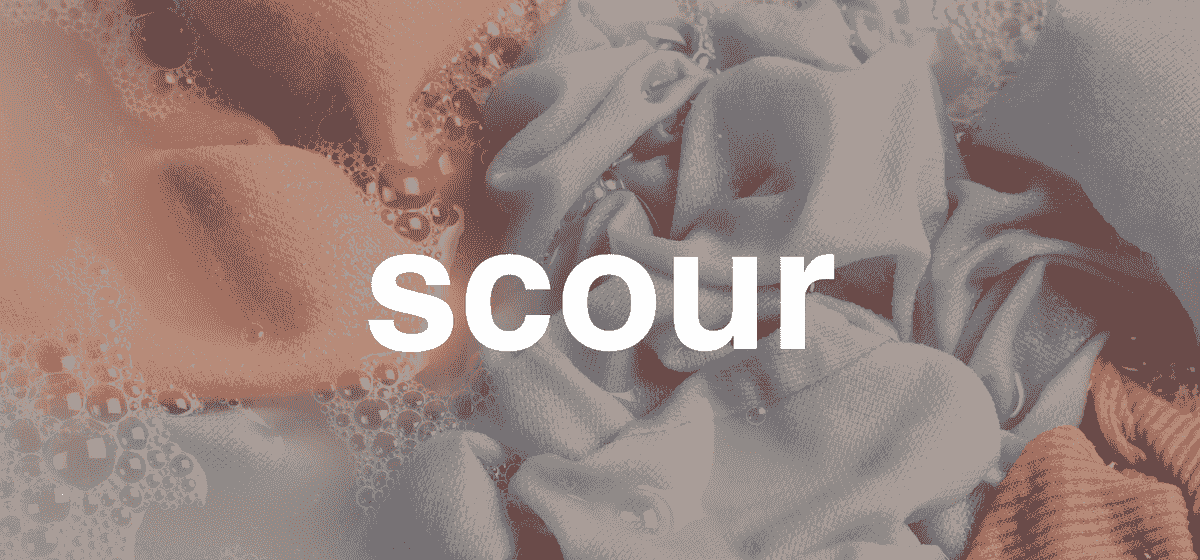
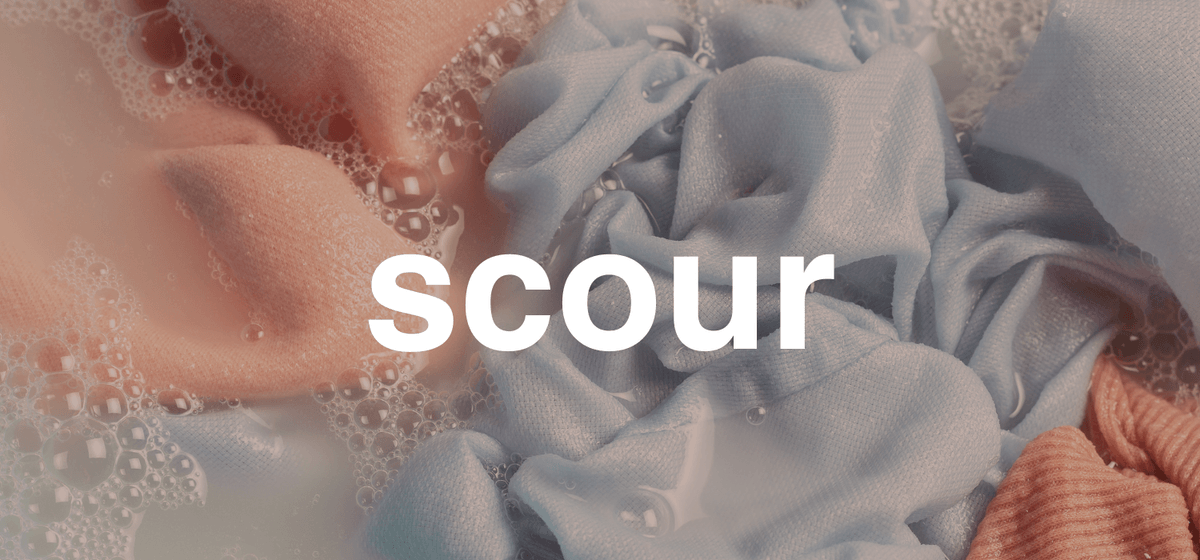
Giving your fabrics a deep clean, or a ‘scour’ enables you to have a blank canvas ready to receive dye. Many fabrics, especially cottons and linens carry a build-up of natural pectins and waxes, as well as dirt from processing and transportation. Scouring ensures that your fabric dyes evenly and the dye adheres moreeffectively to the fabric, therefore making your colour more lightfast and washfast.
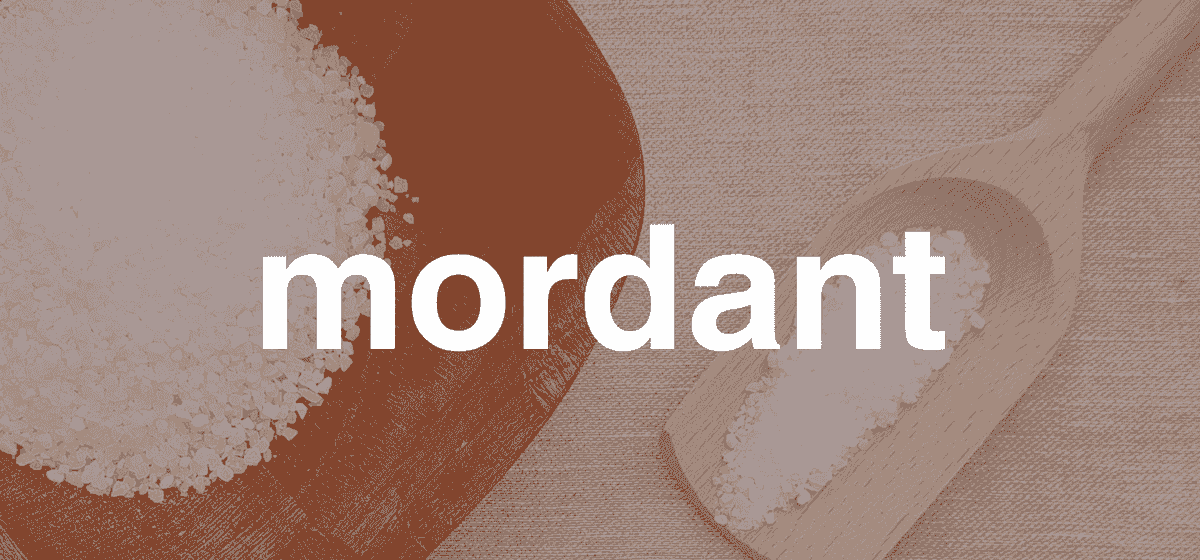
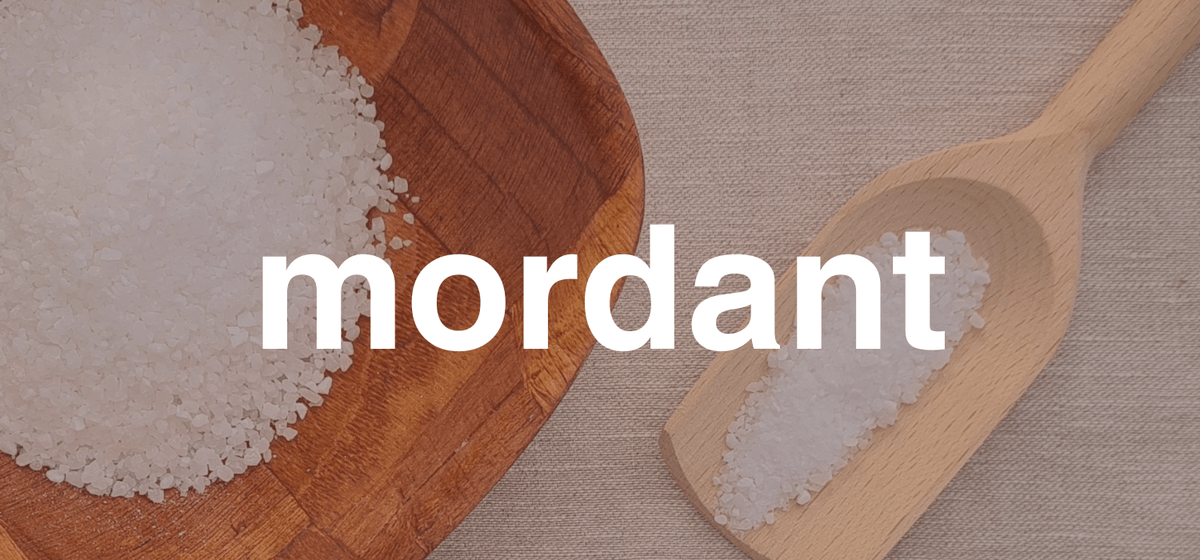
The term mordant comes from the Latin mordere, "to bite". In the past, it was thought that a mordant helped the dye bite onto the fibre so that it would hold fast during washing. In reality, it is a sort of bridge, a way to facilitate the chemical bonding of colour to the fibres. Mordants are hugely important to ensure long-lasting and effective colour.
WOF or Weight of Fibre refers to the weight of your fabric in a percentage relation to what you are mordanting/dyeing with. Weight of fibre x% = weight of dyestuff (dry) e.g -5% WOF for 50g of fabric 500 x 0.05= 25g
Substantive dyes, also known as direct dyes are those that adhere sufficiently to fibres without the use of a mordant. These contain high levels of tannins, that help it naturally bind to the fibres.
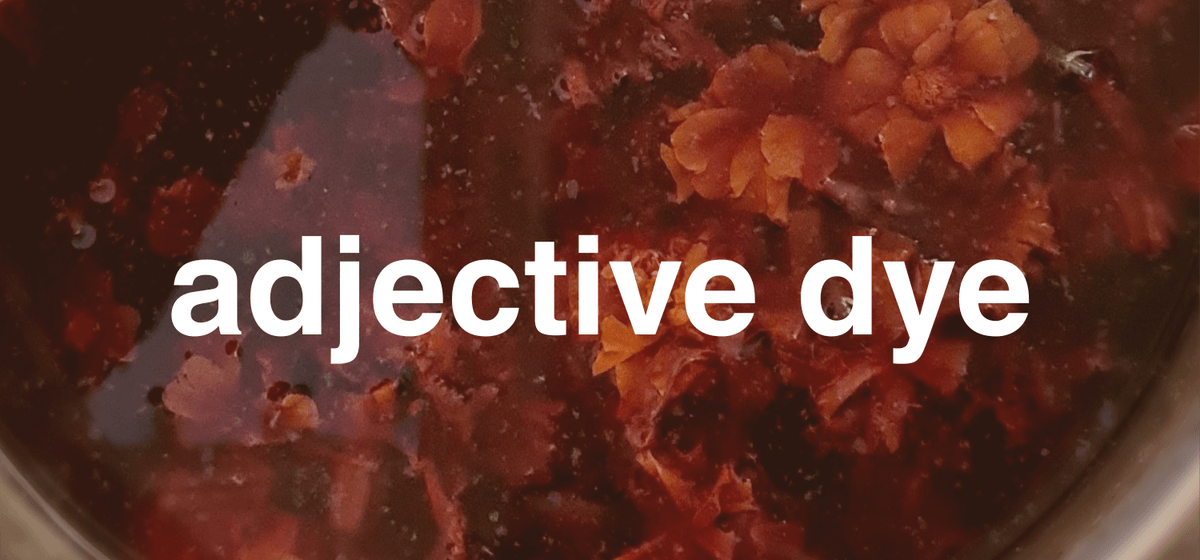
Adjective dyes require the use of a mordants in order to achieve a long-lasting bond with fibres. Because the mordant acts as a catalyst, a single dye pot can produce vastly different colors depending on the mordant used.
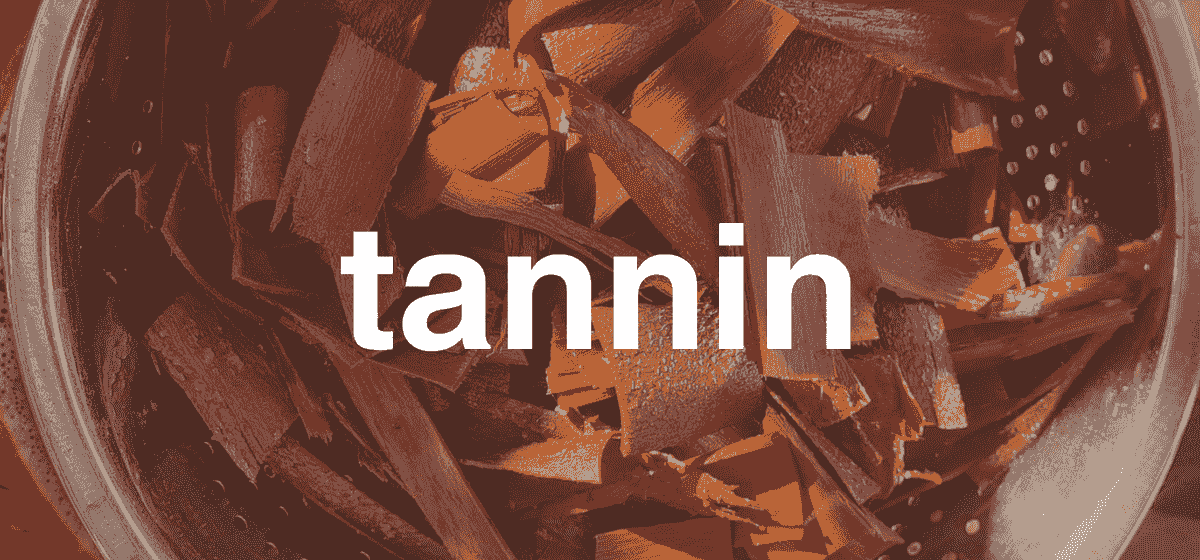
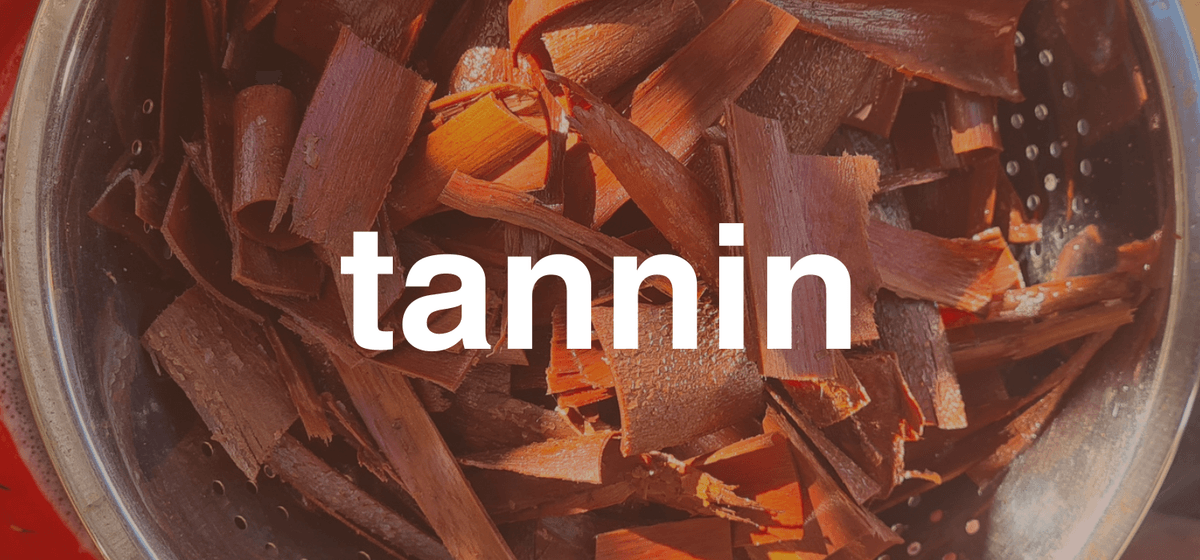
Tannins (or tannoids) are naturally occurring in plants and are a class of astringent, polyphenolic biomolecules that bind to organic compounds. This makes them a substantive dye source, but also particularly helpful in the mordanting process of plant fibres such as cotton and linen. Tannins can come in a variety of different colours and can affect the shades obtained via various other dyestuffs - they open up a whole world of hues to your natural colour library.
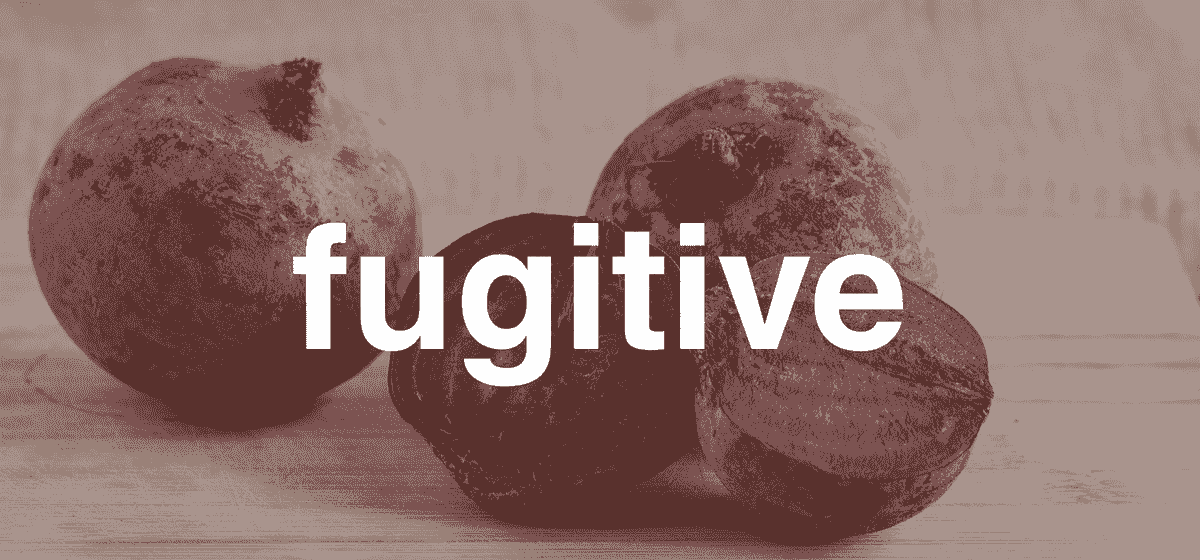
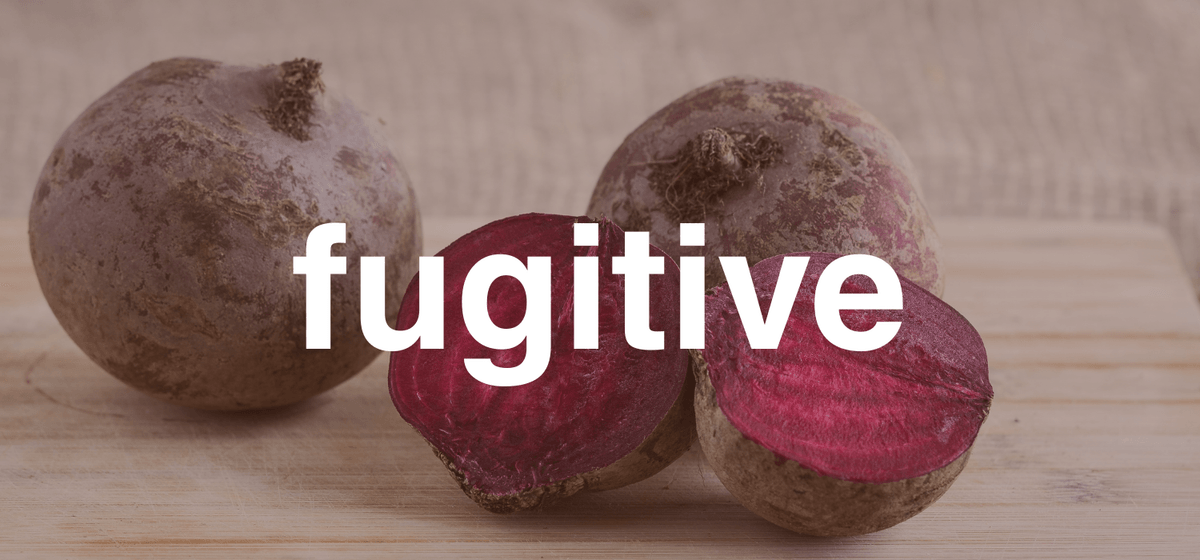
Derived from the Latin word fugere, meaning 'to flee', fugutive refers to colourants that will quickly fade, wash out, or disappear entirely when exposed to sunlight, moisture, or environmental wear, even when a mordant is used. Examples of these are beetroot, red cabbage, berries and turmeric. These are stains, not dyes.
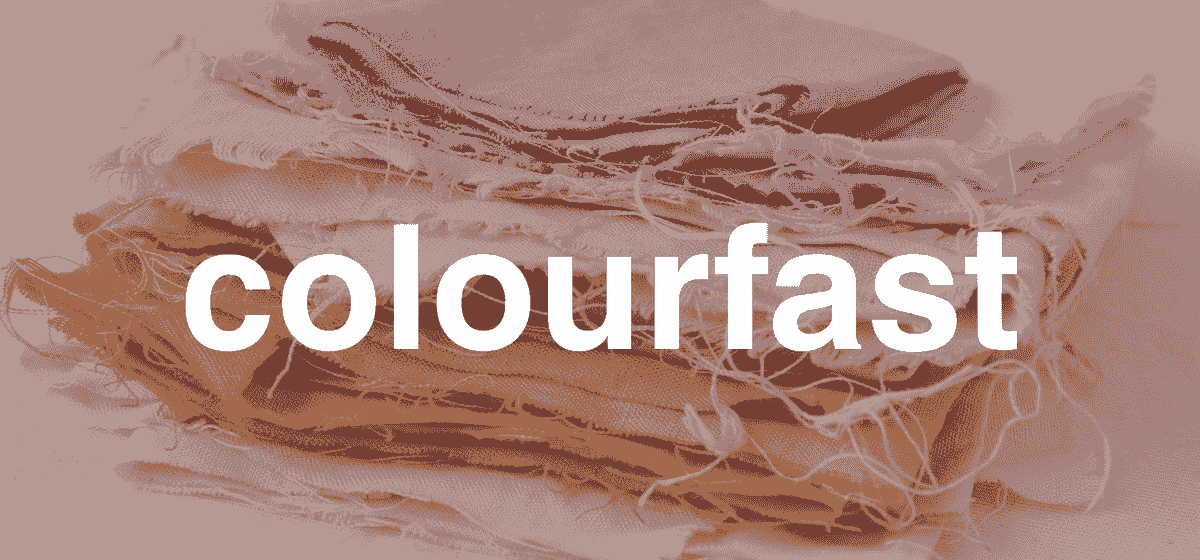
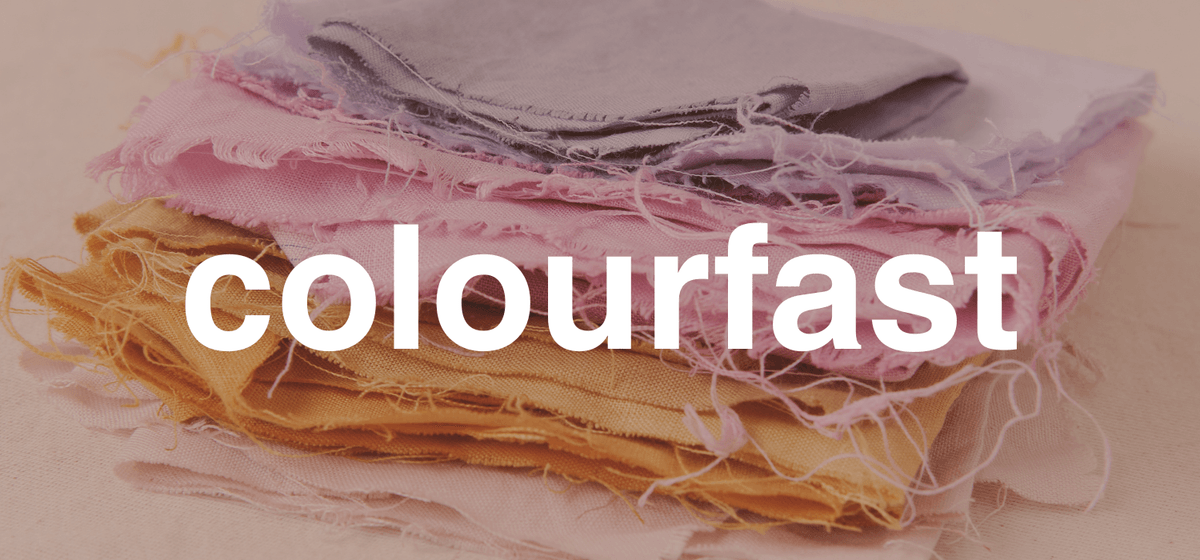
If we describe a dye as colourfast, this refers to how well a dyed textile retains its colour when exposed to UV light (light-fastness) and laundering (wash-fastness). It is a critical measure of a dye's durability and longevity.
LINEN FIBRE TERMINOLOGY
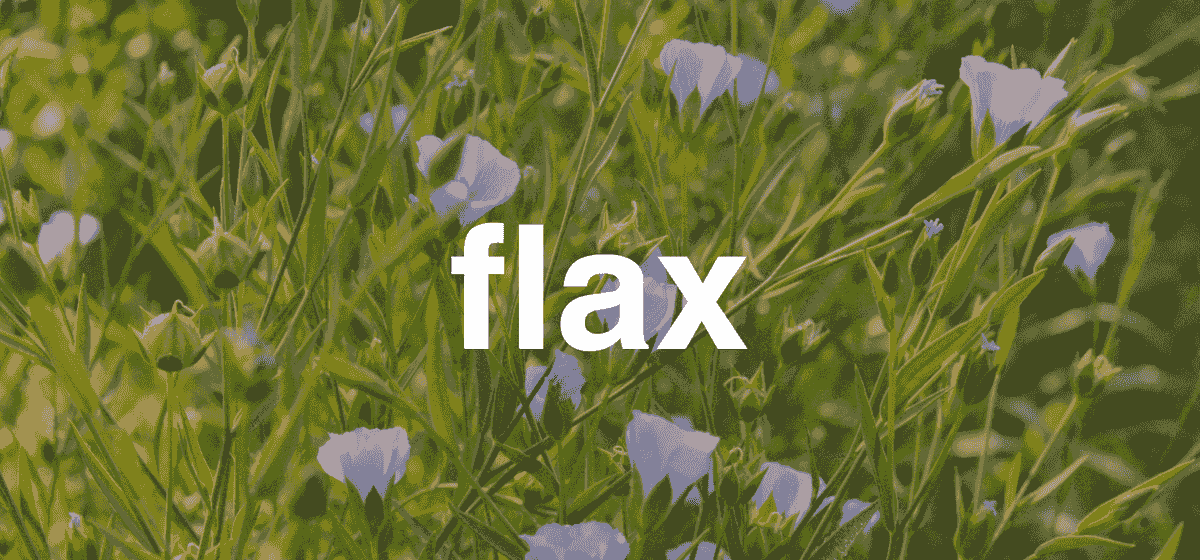
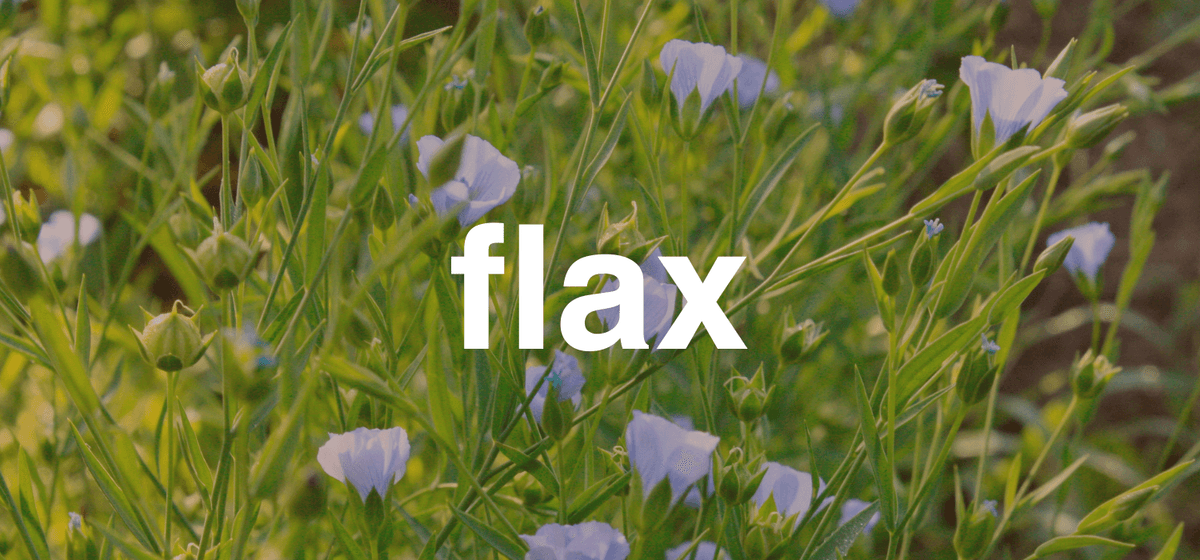
Flax (Linum usitatissimum) is a versatile flowering plant which has been cultivated for thousands of years. It is highly valued in two distinct ways: for its nutritious seeds (flaxseed) and for its fibrous stems, which are processed into linen fabric. Not to be confused with Harakeke here in Aotearoa which is actually part of the lilly family.
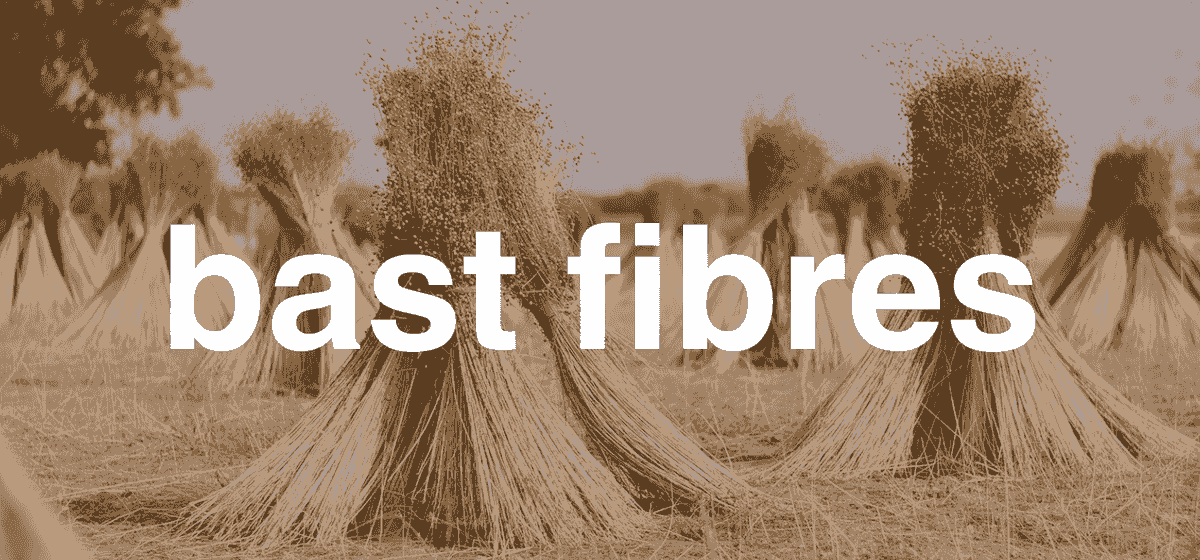
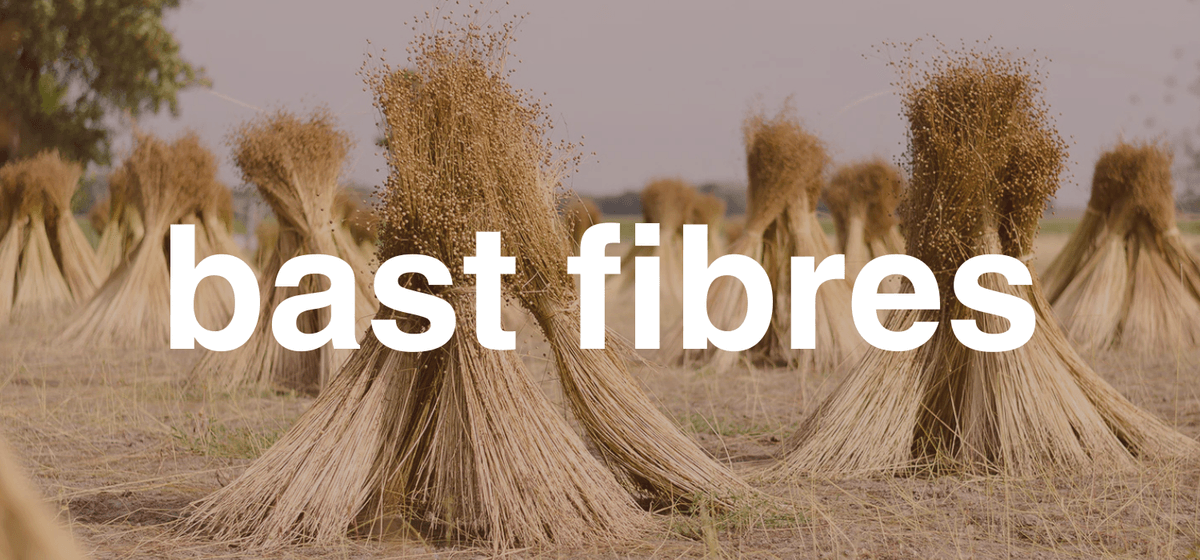
Bast fibres are strong, plant-based materials derived from the tissue in the outer layer of certain common plant stems including flax and hemp. They are valued in textiles and industry for their exceptional strength, breathability, and eco-friendly regenerative properties.
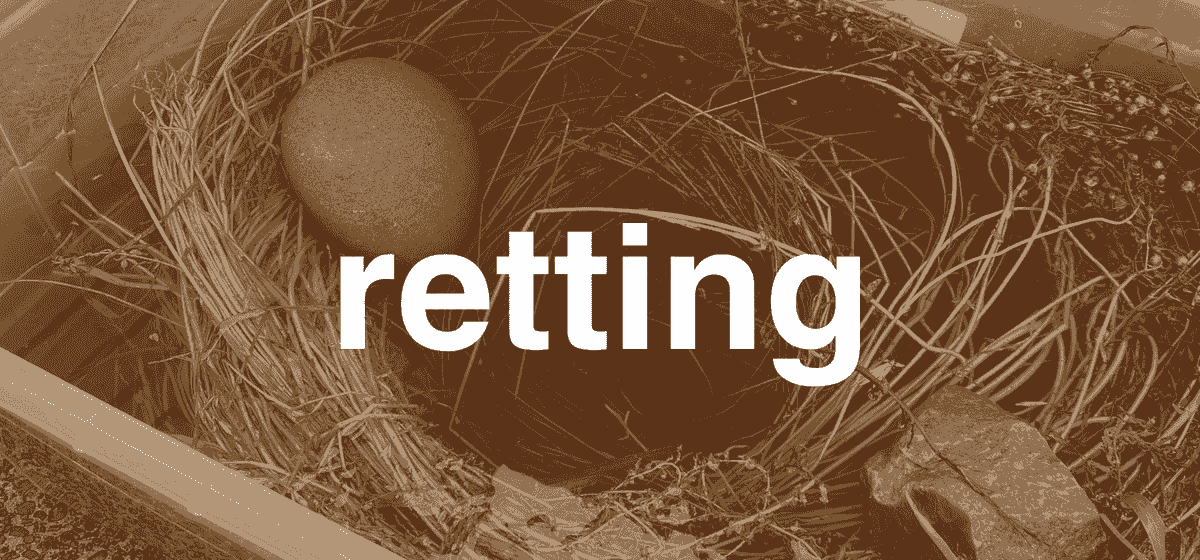
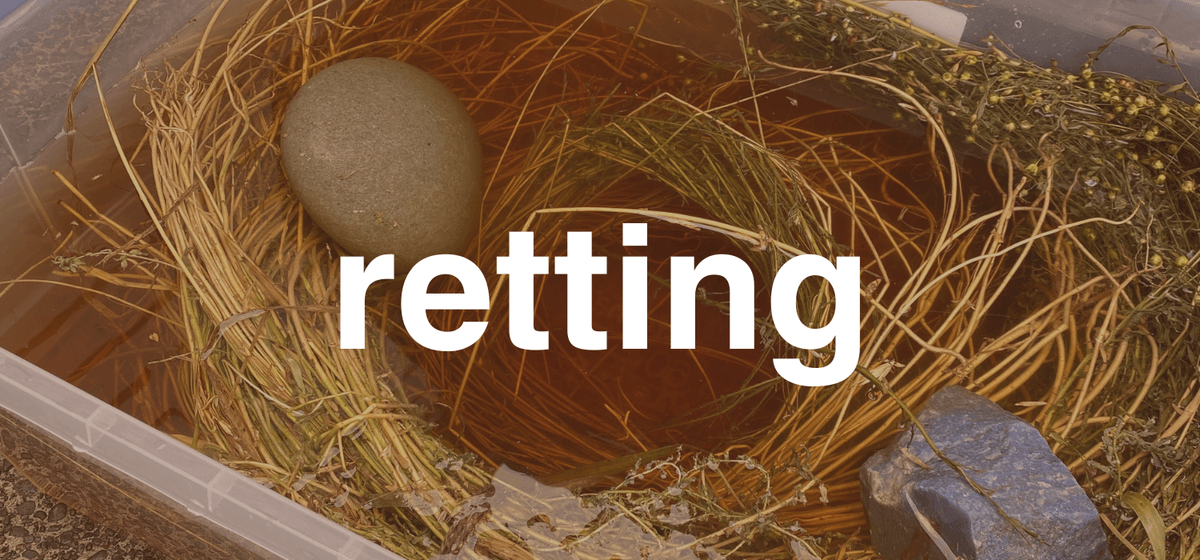
Retting is a crucial biological process in linen production that uses moisture and microorganisms to rot away the plant's woody stalk, releasing the soft, strong bast fibers inside. It relies on nature to dissolve natural pectins without harming the valuable flax fibers
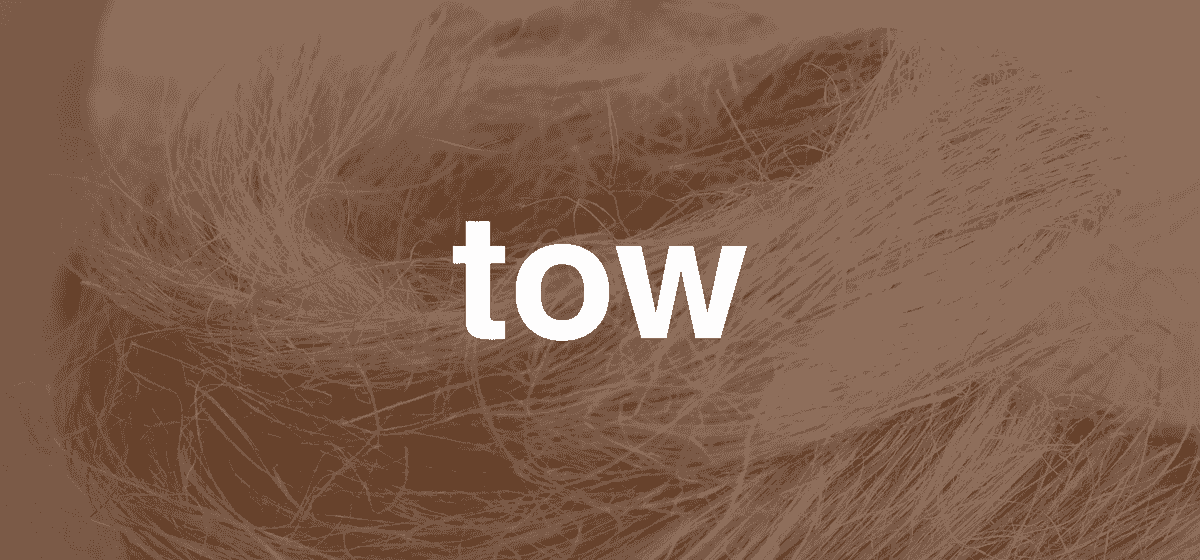
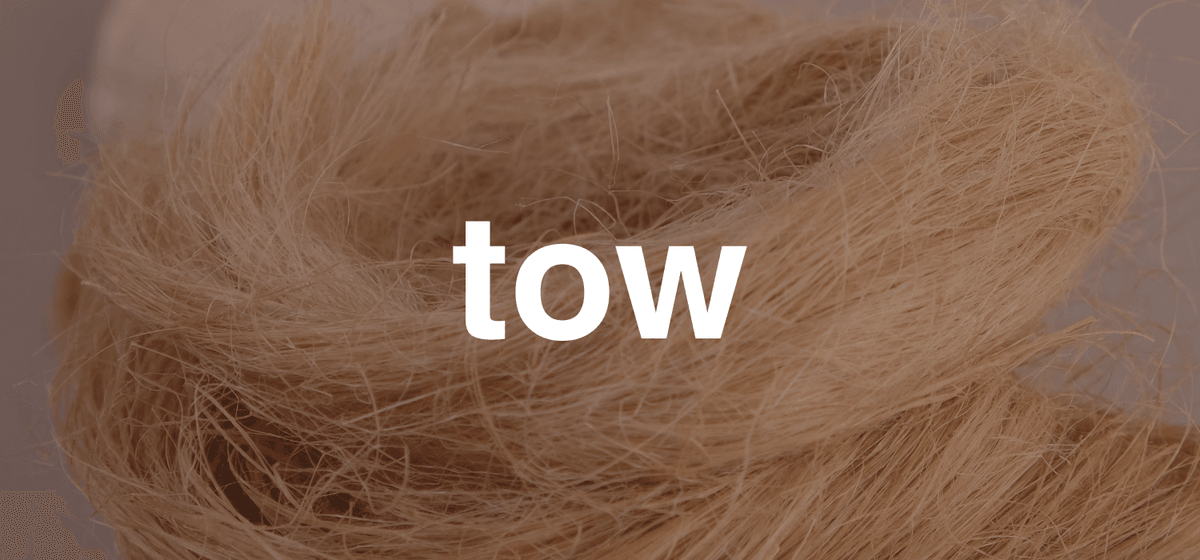
In linen fibre processing, tow refers to the shorter, coarser fibres left behind after combing. These are spun into thicker, more rustic yarns or string.
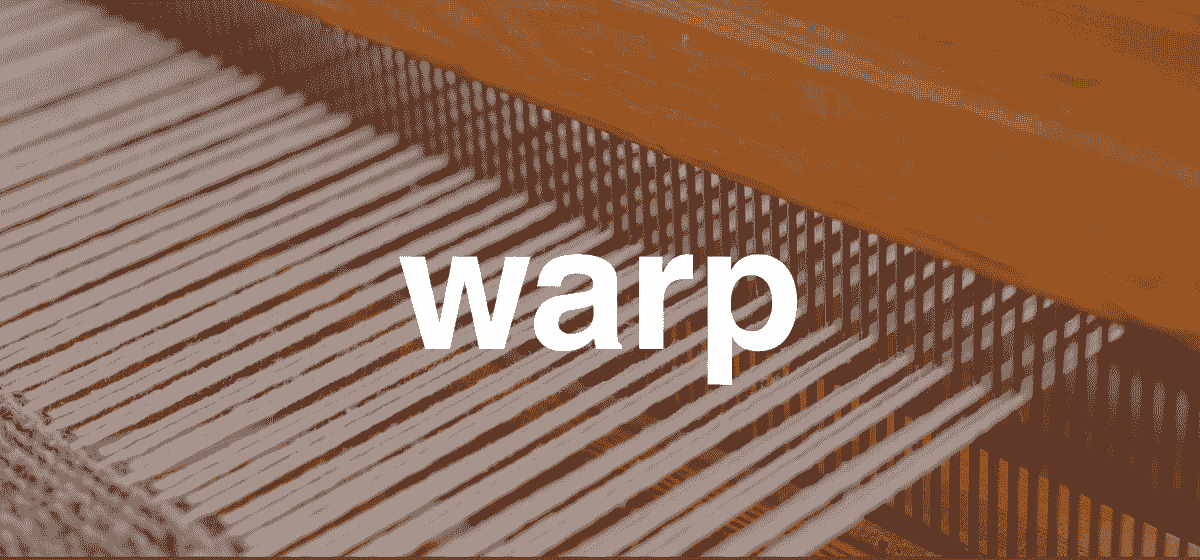
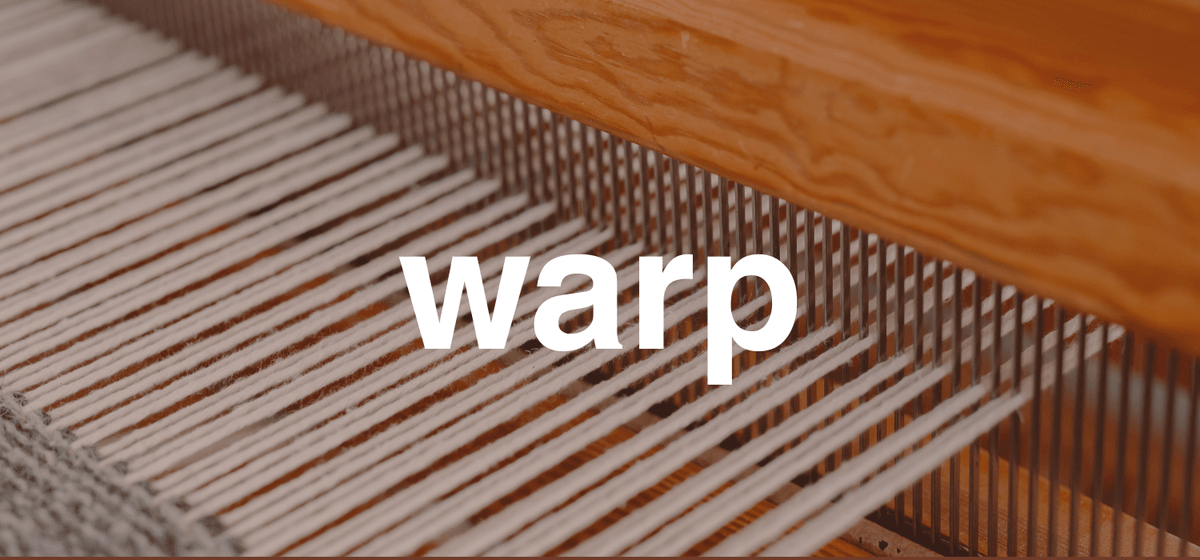
In weaving, the warp is the set of lengthwise yarns that are stretched tautly and parallel on a loom. It serves as the structural foundation of the fabric.
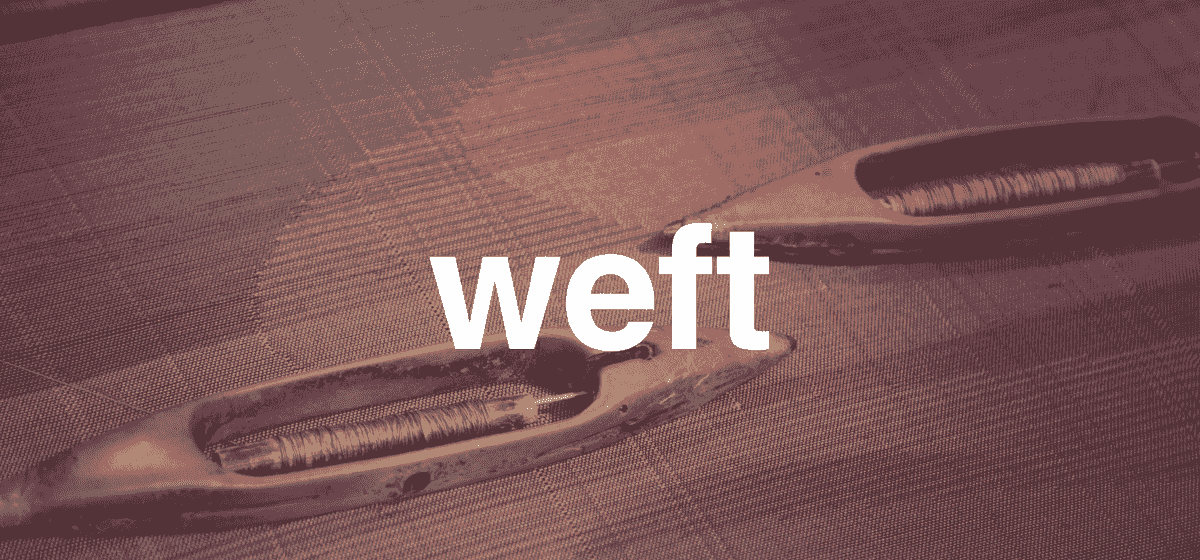
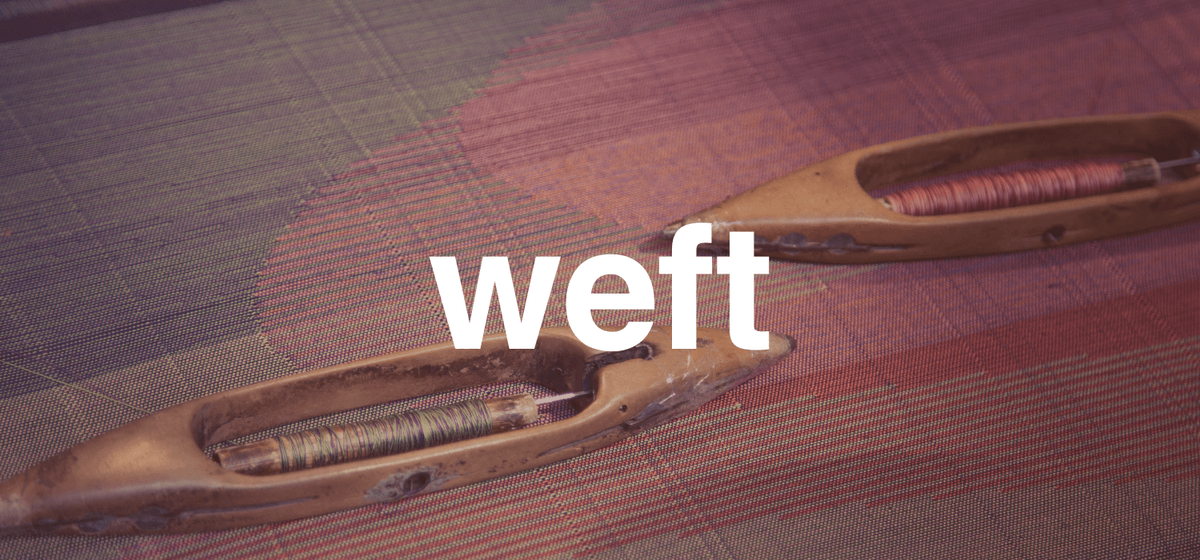
In weaving, the weft is the thread or yarn that is woven horizontally across the vertical warp threads to create fabric.