NATURAL COLOUR & FIBRE. GROWN HERE.
NATURAL COLOUR & FIBRE. GROWN HERE.
- 0
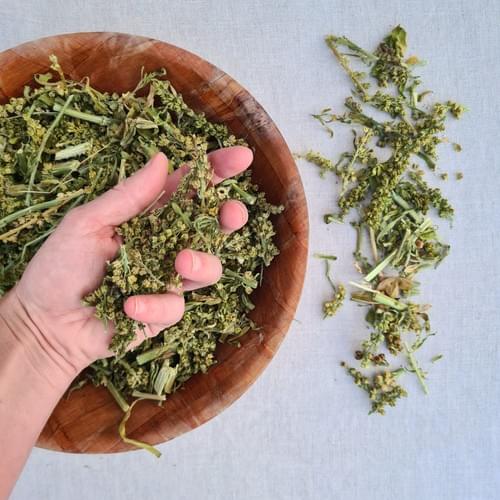
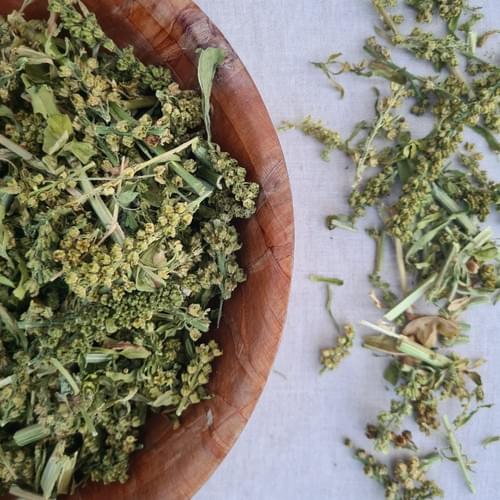
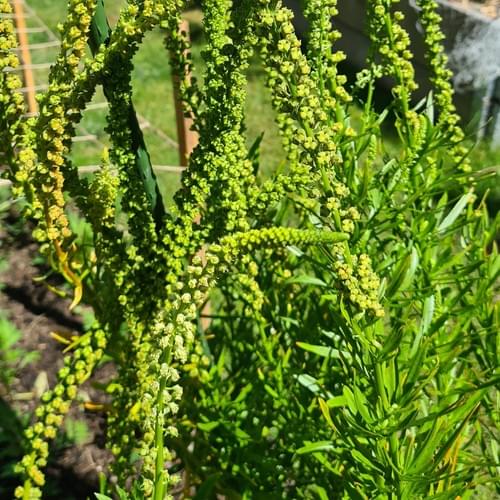
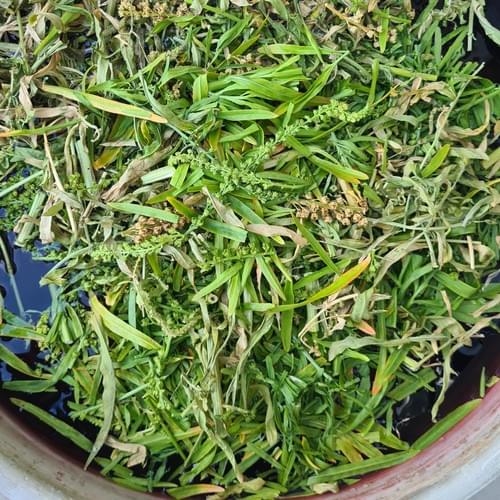
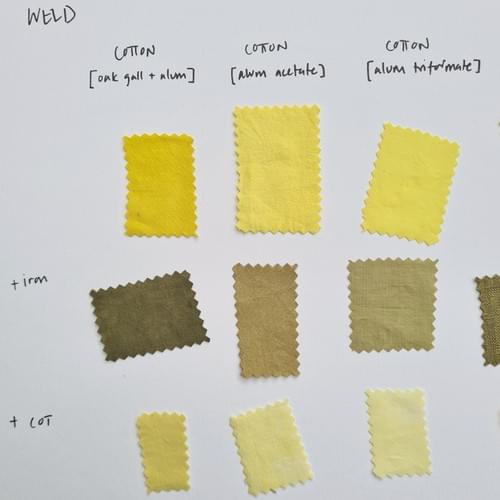
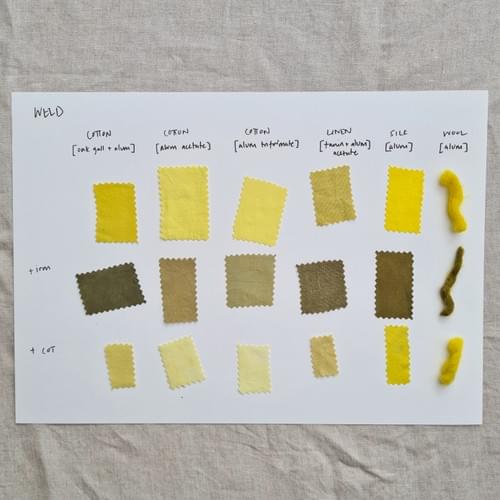
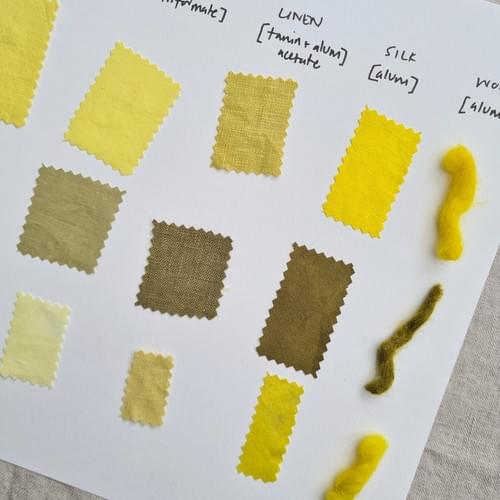
Dried weld / dyer’s rocket [reseda luteola] - 100g
Certified organic, grown at our Papahoa Fibreworks Farm, Tai Tapu, Canterbury over the 2025/26 season
Sold in 100g lots
Weld is an ancient dye plant, it is thought to have been used since prehistoric times and was produced prolifically in Europe through to the 19th century as the most common source of yellow dye (until the importation of quercitron from the Americas). Now one of the most iconic sources of yellow dyes in the world, known for it’s excellent lightfastness.
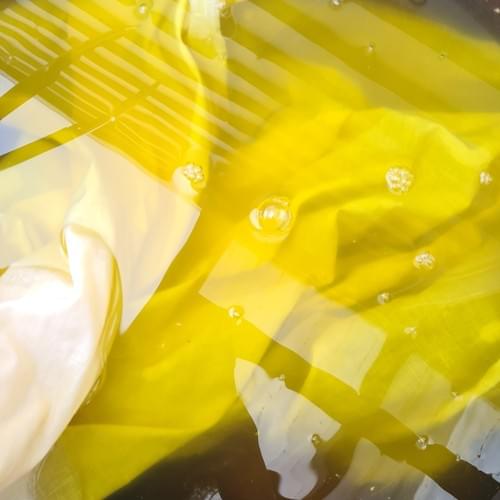
Dye colours obtained - The plant is rich in luteolin, a flavonoid which produces a bright lightfast and UV stable yellow dye. It can be overdyed with woad (or indigo) to produce ‘Lincoln green’ (a colour often associated with Robin Hood and his band of merry men!). Combine with iron to create a wonderful chartreuse, or with iron + tannin to create a rich olive green. Samples dyed at 50% WOF.
For a fantastic guide to using weld in natural dyes, visit this link: https://naturaldyes.ca/weld
Please remember to keep your dyeing tools and equipment separate from those used for cooking. This ensures that any leftover dyes, chemicals, or residues from the dyeing process don’t contaminate your food, keeping both your culinary and crafting experiences safe and enjoyable.