NATURAL COLOUR & FIBRE. GROWN HERE.
HOME
DYEHOUSE
SHOP
ABOUT
FOUNDERS
PAPAHOA NAME
OUR VALUE PILLARS
SUPPORT
CONTACT
RESOURCES
GLOSSARY
NATURAL DYE BASICS
0
All Categories - Papahoa Fibreworks Ltd
All
Dye extracts
Linen
Seed
Mordants / auxiliaries
Locally grown dyes
e-Books
Custom dye services
Buy now
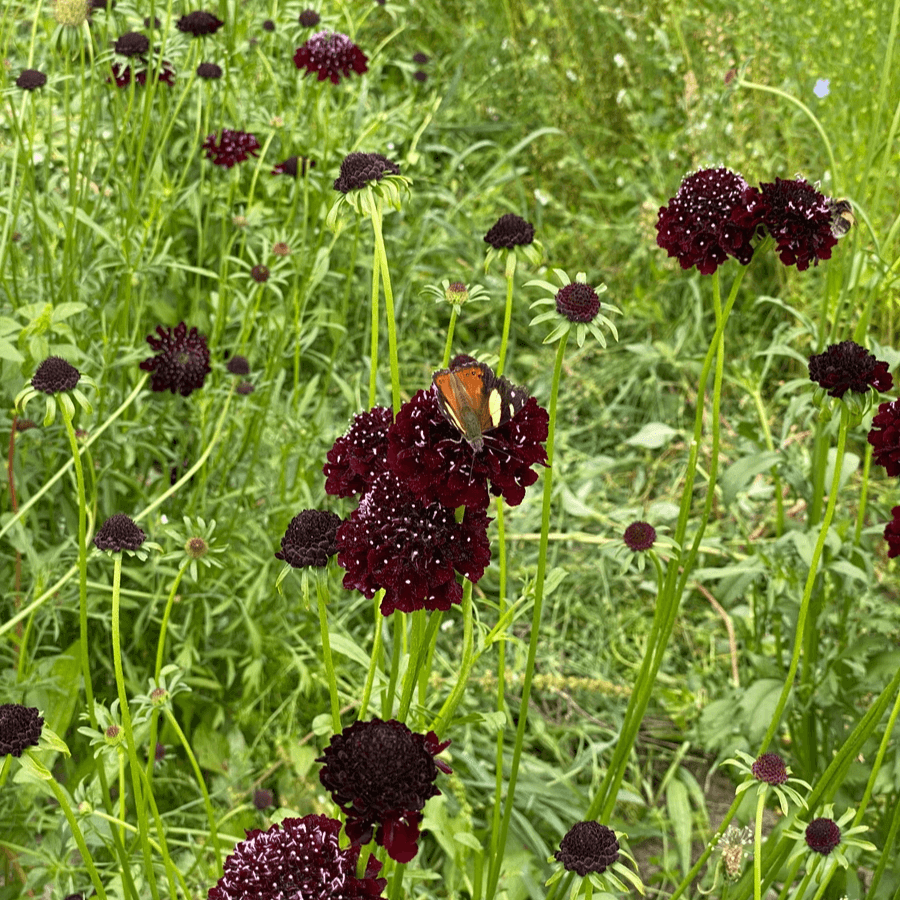
Scabiosa Black Knight - 50 seeds
Grown for the striking petals, scabiosa black knight imparts some fantastic colour when eco-printing.<br><br>Certified organic seeds grown, harvested &amp; dried in Lincoln, Canterbury.<br><br>50 Seeds
$8.00
Buy now
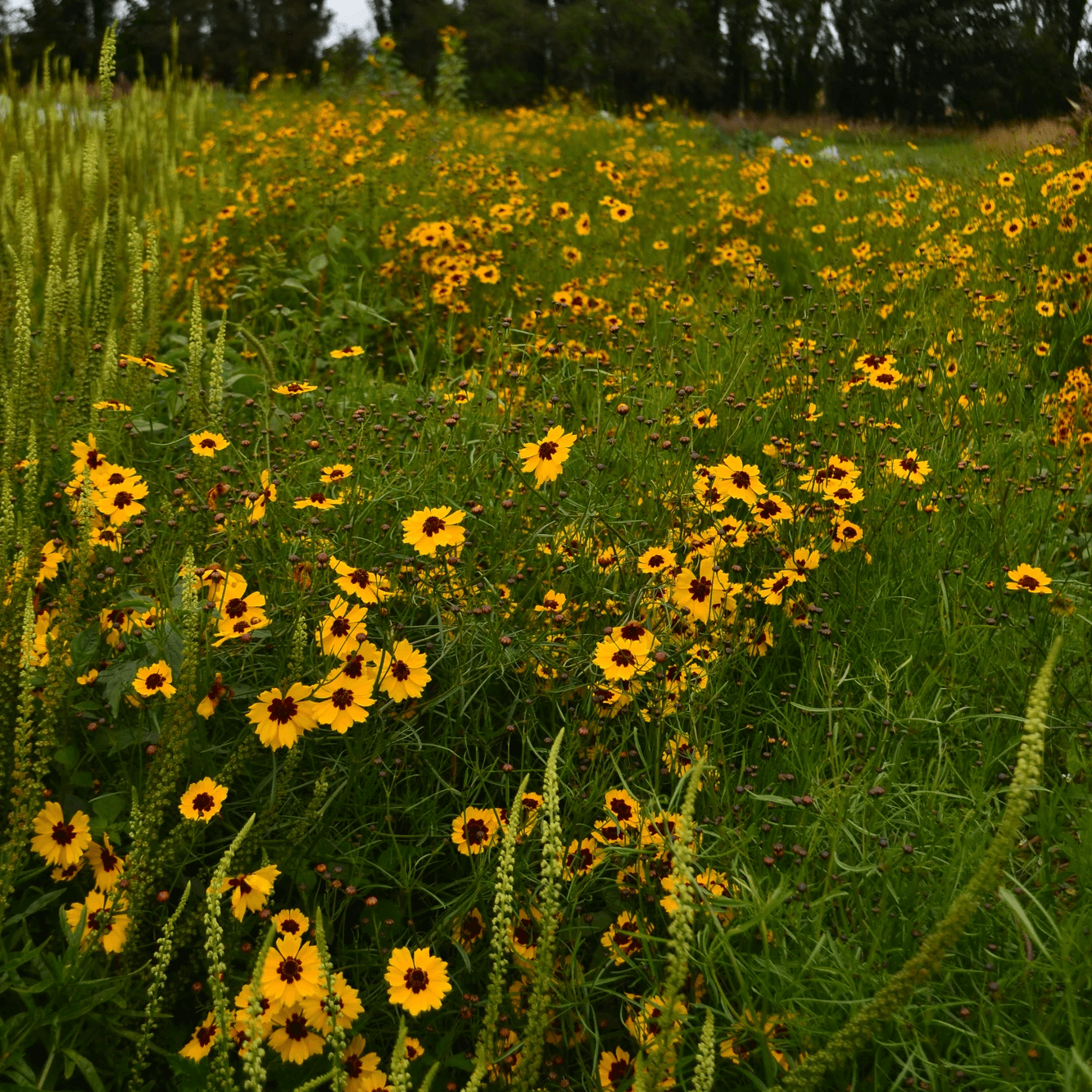
Coreopsis seeds
Certified organic seeds, grown and harvested at the BHU Organic farm in Lincoln, 2025<br><br>50 seeds
$8.00
Buy now
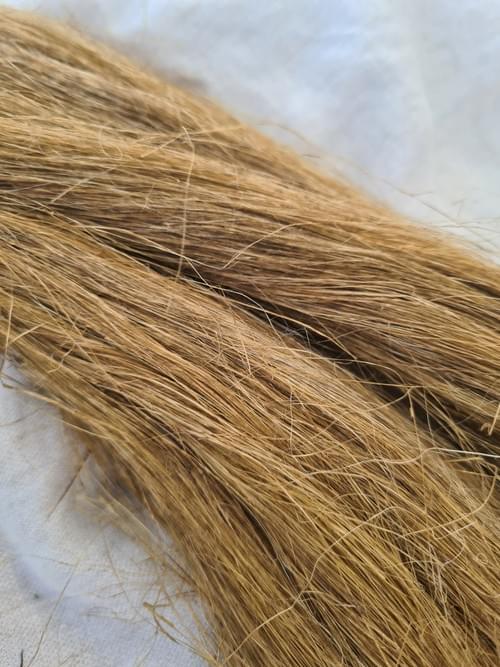
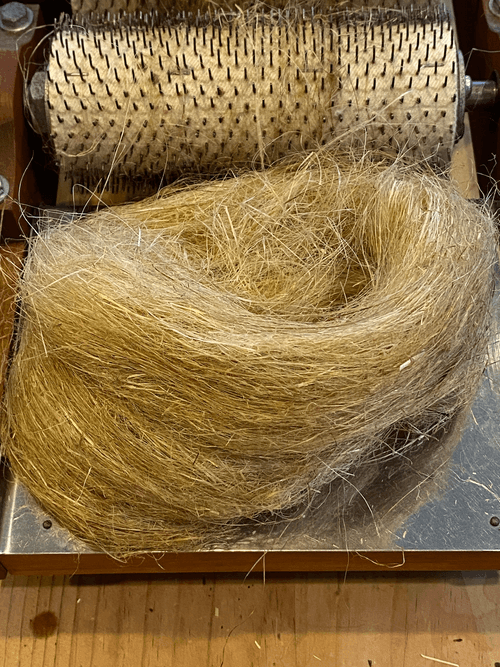
Canterbury Linen Fibre – Long line 50g
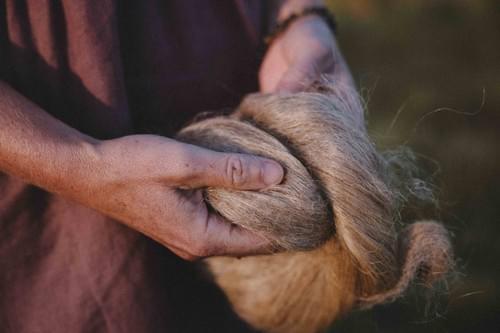
Grown on our organic farm in Tai Tapu, hand pulled, dew retted, manually broken, scutched & hand combed. <br><br>Long line is the long, aligned bast fibres that run the length of the linen flax stalk. Extracting the fibre is a slow process that takes a lot of hands and a lot of energy to get here and due to the hand processed nature, every strick of fibre has it's own unique characteristics. <br><br>Stock is limited and processing is ongoing, so if this lot is sold out, you're welcome to join the backorder list via our pre-order option and we'll be in touch when the next batch is ready to ship to you.<br><br>Available in 50g stricks<br><br>Every purchase goes toward our hi-lo spinning machine. More information coming soon via our Patreon: https://www.patreon.com/cw/papahoa_fibreworks<br><br>Good for: hand-spinning, linen yarns, weaving & experimenting.
$70.00
Buy now
Gallnut Extract [quercus infectoria]
In natural dyeing, gallnut extract is prized above all as a tannin mordant for cellulose fibres such as linen, cotton, and hemp. Because alum doesn't bind readily to cellulose on its own, a tannin pre-treatment is essential — the tannin bonds to the fibre first, and alum then bonds to the tannin, creating a stable base for dyeing. On its own, gallnut imparts only a very pale, warm beige — but combined with iron, it produces soft greys through to deep charcoal and black, making it a key building block in natural in natural grey/black palettes.<br><br>Typical use rate: 5–8% WOF (weight of fibre) for mordanting; can be increased toward 15-20% for deeper iron-black effects.<br><br>Safety notes:<br>- For dye/craft use only — not intended for human or animal consumption.<br>- Wear a dust mask when handling the dry powder to avoid inhalation, and gloves are recommended to avoid staining.<br>- Low toxicity but standard studio hygiene applies — avoid ingestion, keep away from food preparation areas, and wash hands after handling.<br>- Store in a cool, dry place away from children and pets.<br><br>GOTS and Eco Dye certified, sourced responsibly from India.
$21.00 - $40.00
Buy now
Indigo Extract [indigofera tinctoria]
Indigo is one of the world's oldest and most iconic dyes, traditionally sourced from the leaves of Indigofera tinctoria or related species. Unlike most natural dyes, indigo is not a soluble dye but an insoluble pigment — indigotin — locked inside the plant. This means indigo doesn't bond to fibre the way tannin- or mordant-based dyes do. Instead, it must first be chemically reduced in a vat, converting it into a soluble, pale yellow-green form ("white indigo" or leuco-indigo) that the fibre can absorb. Once the dyed fibre is lifted from the vat and exposed to air, oxidation instantly converts the leuco-indigo back into its insoluble blue form.<br><br>Because no mordant is required, indigo can be used on protein and cellulose fibres alike, and it is compatible with a range of vat systems. Depth of colour is achieved through repeated short dips and oxidations rather than a single long soak — each dip adds a thin layer of blue.<br><br>GOTS and Eco Dye certified, sourced responsibly from India.<br>
$21.00 - $40.00
Buy now
Cutch Extract [acacia catechu]
Cutch extract comes from the heartwood of Acacia catechu, a tree native to India, Burma, Indonesia, and Peru. To produce it, the heartwood is steeped in hot water until a thick, syrupy liquid emerges, which is then dried and ground into a fine, water-soluble powder. Cutch is unique among natural dyes in being both a dyestuff and a tanning agent in one — it contains the colouring compound catechin alongside naturally occurring tannin.<br><br>Cutch produces a unique warm, earthy palette of colourfast browns — cinnamon, nutmeg, toffee, and ochre with an alum mordant, deepening to rich chocolate brown with iron, or shifting toward russet and terracotta with a touch of soda ash or calcium carbonate. It's prized for its excellent lightfastness and washfastness, among the most durable of all natural browns, and has a naturally sweet aroma in the dyebath.<br><br>Use at 15–30% WOF for a good depth of colour on cellulose fibres, up to 50% WOF for the deepest shades. Cutch doesn't exhaust easily, so a single dyebath can often be reused for several progressively lighter shades. <br><br>GOTS and Eco Dye certified, sourced responsibly from India.
$28.00 - $50.00
Buy now
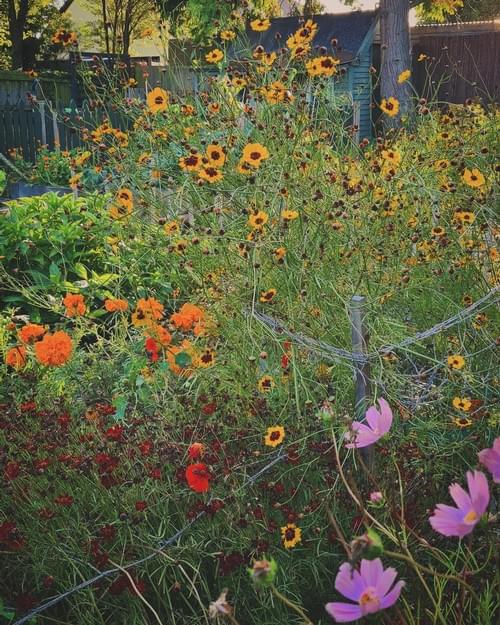
Grow your own flowering dye garden - multi seed pack
Choosing to grow your own dye plants not only allows you to infuse your home and wardrobe with homegrown natural colour at your leisure – but they are also beautiful additions to your summer garden that bring intense pops of colour, whilst also attracting bees and other pollinators.<br><br>These seeds have been harvested from the Papahoa Fibreworks fields, and each is accompanied with a brief rundown on the history, growing, care, harvest and dye opportunities with each plant.<br><br>Seeds included: Coreopsis, Black Knight Scabiosa, Sulphur Cosmos and French Marigolds<br><br>Certified organic seeds, grown and harvested by Papahoa Fibreworks in Waitaha Canterbury. Approx. 50 seeds per flower, approx. 200 seeds total.
$42.00
Buy now
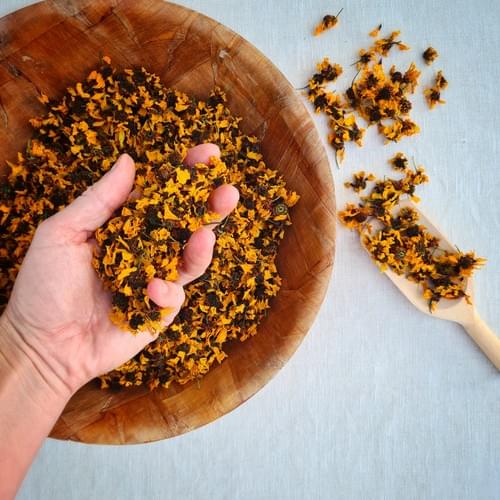
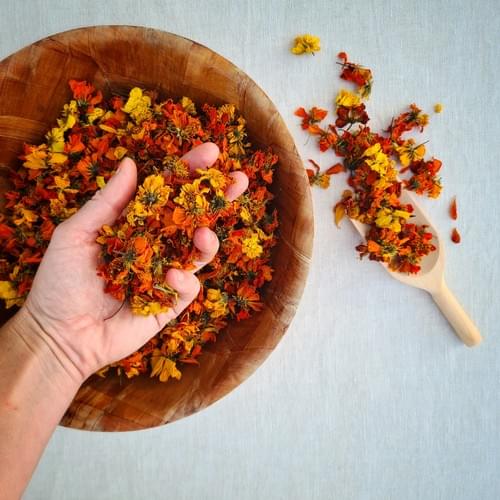
Dried coreopsis [coreopsis tinctoria] - 50g
Coreopsis (Coreopsis tinctoria) can provide rich rusty oranges, depending on the mordant and dyeing method. Hand-harvested from organically managed crops keeping it natural for your dyeing needs. <br><br>Certified organic, grown at Papahoa Fibreworks Farm in Tai Tapu, Canterbury over the 2025/26 season<br><br>Whole flower heads - 50g lots <br>
$19.00
Buy now
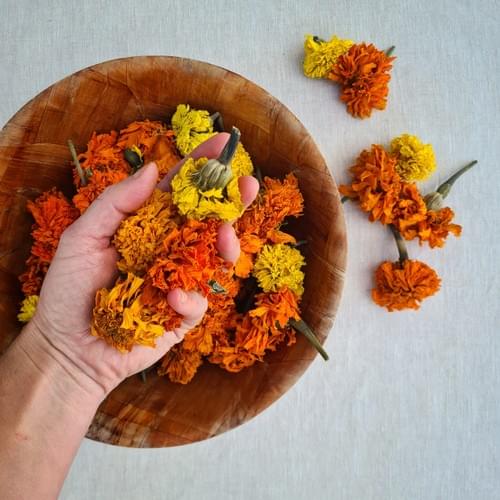
Dried aztec marigolds [tagetes erecta] - 100g
Marigold (Tagetes erecta) can provide vibrant, rich golden hues, depending on the mordant and dyeing method. Grown without chemicals or pesticides, each bloom is hand-harvested to ensure the highest quality for your dyeing needs.<br><br>Certified organic, grown at the Papahoa Fibreworks farm in Tai Tapu, Canterbury over the 2025/26 season<br><br>Whole flower heads - 100g lot
$24.00
Out of Stock
Buy now
Carded Canterbury tow roving - 50g
Tow refers to the short fibres that remain on the combs when processing our long line linen fibre. We've taken our Canterbury-grown tow and carded it into a roving, so it's ready to spin straight from the bag. The carding opens the fibres up and makes linen more approachable for spinners who are newer to working with bast fibres. If you've found long line or tow a bit challenging to draft, start here.<br><br>Please note that our Canterbury-grown fibres are all hand processed so there may be anomalies in the fibre such as left over shives. <br><br>Every purchase goes toward our hi-lo spinning machine. More information coming soon via our Patreon: https://www.patreon.com/cw/papahoa_fibreworks<br><br>Good for: beginner linen spinning, woollen-style preparation, papermaking, blending with wool or other fibres.
$52.00
Buy now
Woad Seeds
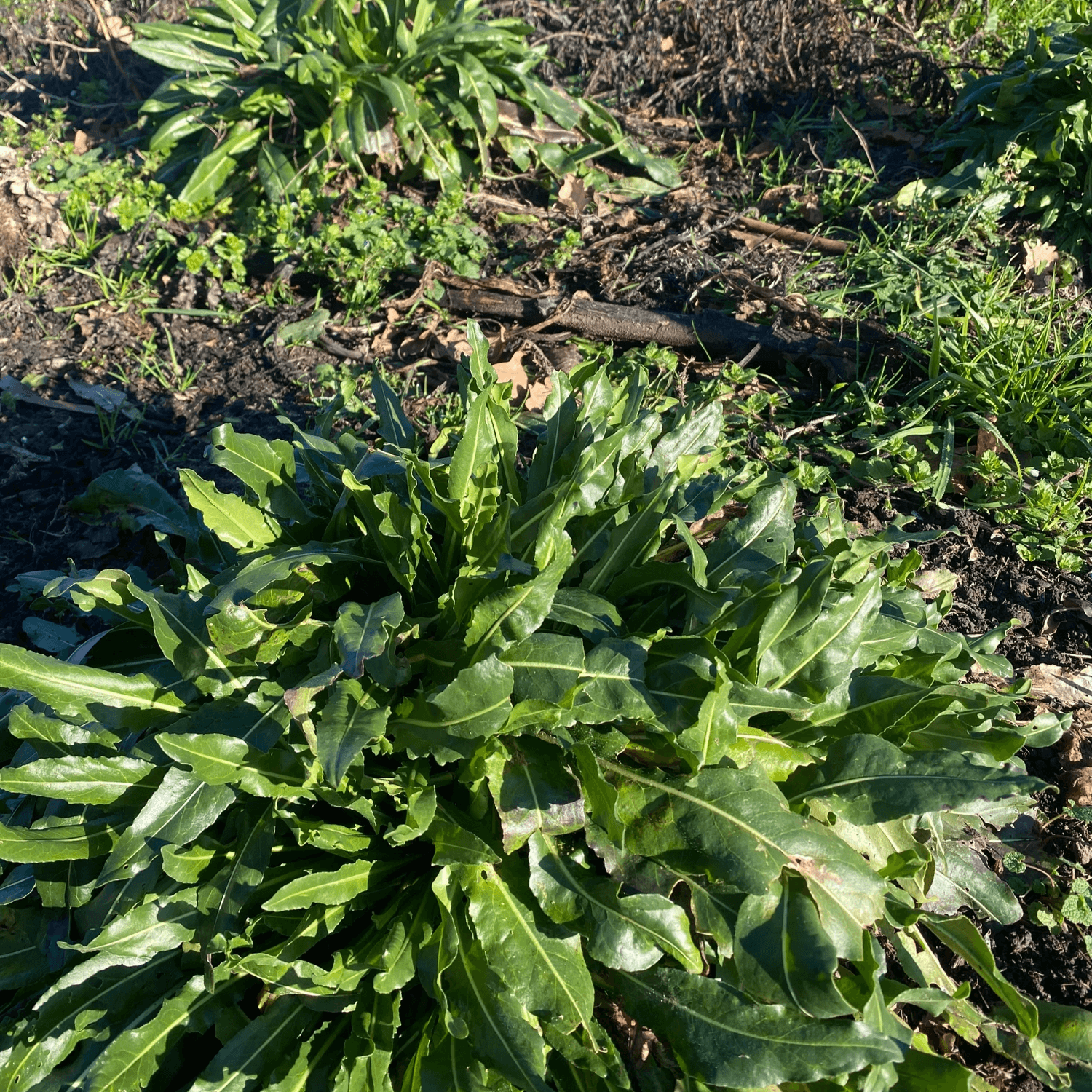
Woad is a member of the brassica family and happily grows throughout winter. Grows as a rosette, harvest the leaves as you would a cut-and-come-again lettuce, from the oldest leaves, discarding any that have browned.
$8.00
Buy now
Linen roving - Commercially processed
This fibre came to us as a gift from a New Zealand university, originally sourced through Landcare Research. We don't know its origins or how it was processed, but it has been commercially cleaned and prepared into a roving and it's a lovely fibre to work with. If you've been curious about spinning linen but haven't tried it yet, this is an excellent place to start.<br><br>With this gift, we're raising money to build a hi-lo spinning machine, a pivotal piece of equipment in our linen production line-up. More information coming soon via our Patreon: https://www.patreon.com/cw/papahoa_fibreworks<br><br>Good for: hand-spinning, sampling, weaving, experimental textile work.
$25.00 - $80.00
Buy now
Soda Ash - 500g
Soda ash (sodium carbonate) is an essential alkaline agent in natural dyeing used primarily to scour (clean) cellulose fibers like cotton and linen, raise the pH of dye baths for brighter colours.<br><br>It is used at 1-2% of the fiber's dry weight (WOF) to remove oils and waxes before dyeing.<br> <br>Soda Ash is considered non-toxic, but working in a ventilated area and wearing a mask and gloves is best practice whilst handling this powder. I recommend keeping any tools used for this process separate from kitchen tools. Alum acetate may be safely disposed of in a municipal water system by pouring down the drain.<br><br>This material comes in a natural biodegradable cellophane. We recommend transferring this to a glass or plastic jar for long-term storage.
$6.50
Out of Stock
Buy now
Potassium Titanium Oxalate - 100g
Potassium Titanium Oxalate is used for the mordanting of protein and cellulose fibres. The Titanium aids in producing bright oranges with some tannins.<br><br>Use at 8-10% WOF. Dissolve in hot water. Add to the dye bath, add fibres and cook for 45-60 minutes at 75-90° C, stirring frequently.<br> <br>Titanium Oxalate is considered non-toxic, but working in a ventilated area and wearing a mask and gloves is best practice whilst handling this powder. I recommend keeping any tools used for this process separate from kitchen tools. Alum acetate may be safely disposed of in a municipal water system by pouring down the drain.<br><br>This material comes in a natural biodegradable cellophane. We recommend transferring this to a glass or plastic jar for long-term storage.
$32.00
Buy now
Weld Seeds
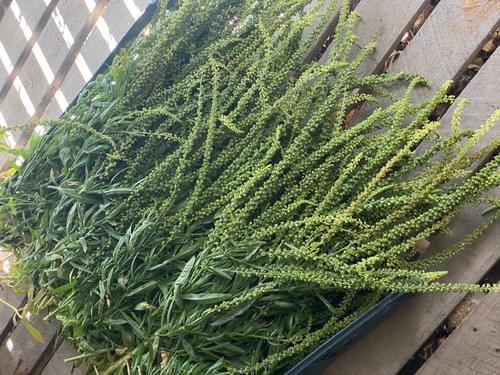
Reseda Luteola<br>Certified organic seeds, grown and harvested at the BHU Organic farm in Lincoln, 2024 <br><br>50 seeds
$8.00
Buy now
Madder Root Extract [rubia tinctorum]
This madder root extract is derived from the roots of Rubia tinctorum, one of the oldest and most celebrated dye plants in human history — used to colour cloth for thousands of years across Europe, Asia, and the Middle East. The root's colour comes from a family of anthraquinone compounds, chiefly alizarin and purpurin, which together produce a warm spectrum running from soft coral and salmon pink through brick red, terracotta, and deep crimson.<br><br>Madder is a true multi-tonal dye: the exact shade depends on temperature, water hardness, mordant choice, and pH. Kept below 80°C (176°F), it favours clear reds; higher heat tends to pull out browner, muddier tones. In hard or calcium-rich water, madder develops its deepest, richest reds — soft water can be adjusted with a little added calcium carbonate.<br><br>Use at 3–8% WOF for light-to-medium shades using the concentrated extract; up to 20–30% WOF for deep, saturated reds. <br><br><br>GOTS and Eco Dye certified, sourced responsibly from India.
$38.00 - $70.00
Buy now
Dried sulphur cosmos [cosmos sulpheurus] - 50g
Sulphur Cosmos (cosmos sulpheurus) can provide vibrant oranges and rich browns, depending on the mordant and dyeing method. Grown without chemicals or pesticides, each bloom is hand-harvested to ensure the highest quality for your dyeing needs.<br><br>Certified organic, grown at the Papahoa Fibreworks farm in Tai Tapu, Canterbury over the 2025/26 season<br><br>Whole flower heads - 100g lot
$19.00
Buy now
Marigold Seeds
Certified organic seeds, grown and harvested at the BHU Organic farm in Lincoln, 2024<br><br>50 seeds<br>
$8.00
Buy now
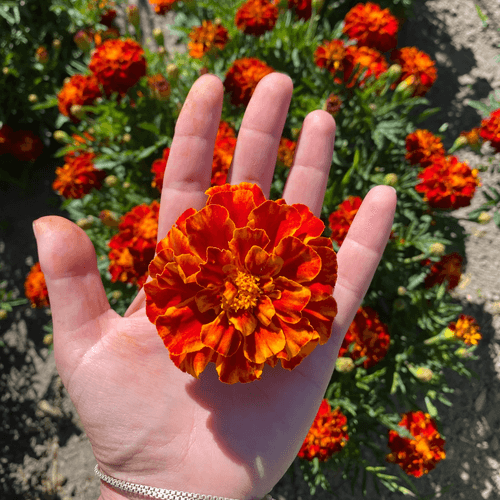
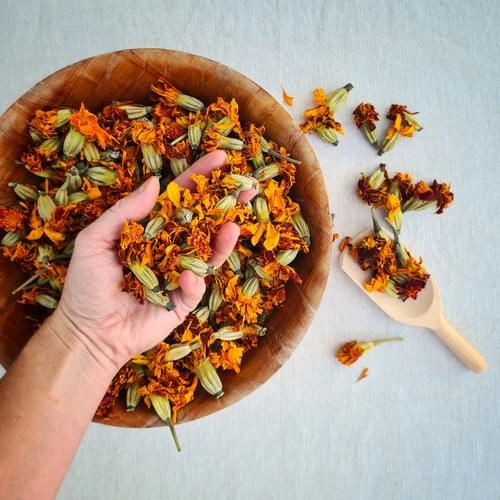
Dried french marigolds [tagetes patula] - 100g
Marigold (Tagetes patula) can provide vibrant, rich golden hues, depending on the mordant and dyeing method. Grown without chemicals or pesticides, each bloom is hand-harvested to ensure the highest quality for your dyeing needs.<br><br>Certified organic, grown at the Papahoa Fibreworks farm in Tai Tapu, Canterbury over the 2025/26 season<br><br>Whole flower heads - 100g lot
$24.00
Out of Stock
Buy now
Fresh Leaf Indigo approx. 250g
Using fresh indigo leaves allows you to enjoy the offerings of this iconic dye plant, without the hassle of growing, extracting pigment and then preparing a vat. Fresh indigo leaves can be utilised in many ways using techniques such as the salt rub method and the ice blender method. These can yield incredible robin egg blue shades that are hard to obtain with other dye materials. The fresh leaf indigo process is best used with protein fibres - it has a particular affinity for silk.<br><br>*Pre-order, for despatch on Wednesday the 4th of February*<br><br>Each pack will be harvested on the morning of Wednesday the 4th of February, from our Tai Tapu farm plot and kept cool before being quickly vacuum-packed to retain freshness. It will then be sent overnight, and suggest using it within 24-48 hours of its arrival for best results. We recommend using 200-300% WOF (weight of fibre) to obtain the shades pictured. A higher WOF will obtain darker shades. Each order will come with instructions on how to process the indigo using the salt rub and ice blender method, and also carry fabric care instructions to ensure your colour is long-lasting.<br><br>Pre-order today to give fresh leaf indigo dyeing a try!
$48.00
Show more
SHOP NATURAL COLOUR & FIBRE
All
Dye extracts
Linen
Seed
Mordants / auxiliaries
Locally grown dyes
e-Books
Custom dye services
Powered By
Home
Shop
Support
Cookie Use
We use cookies to ensure a smooth browsing experience. By continuing we assume you accept the use of cookies.
Accept
Learn More